
Cartography
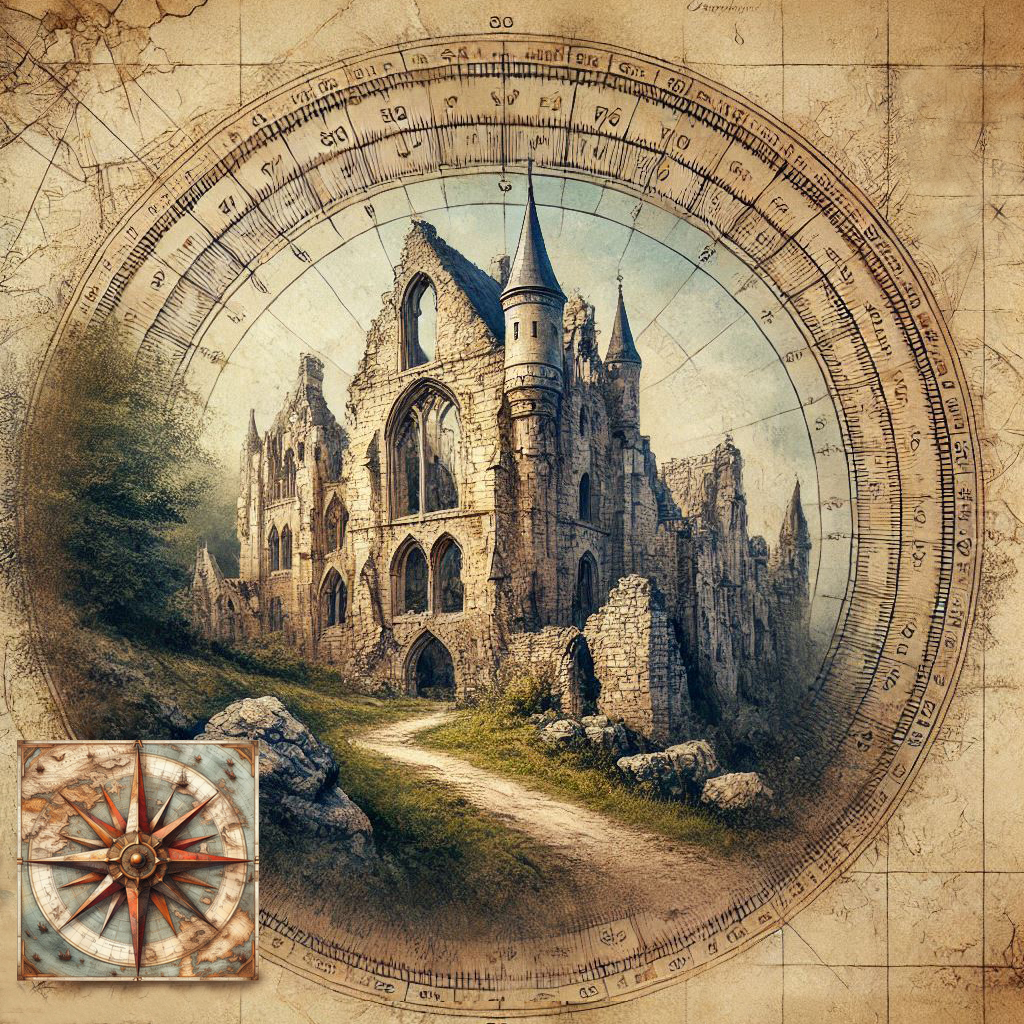
Legend
“Earthnodes, Capitals, Cities, and rest stops… are all part of the cartograpy tapestry.”
History
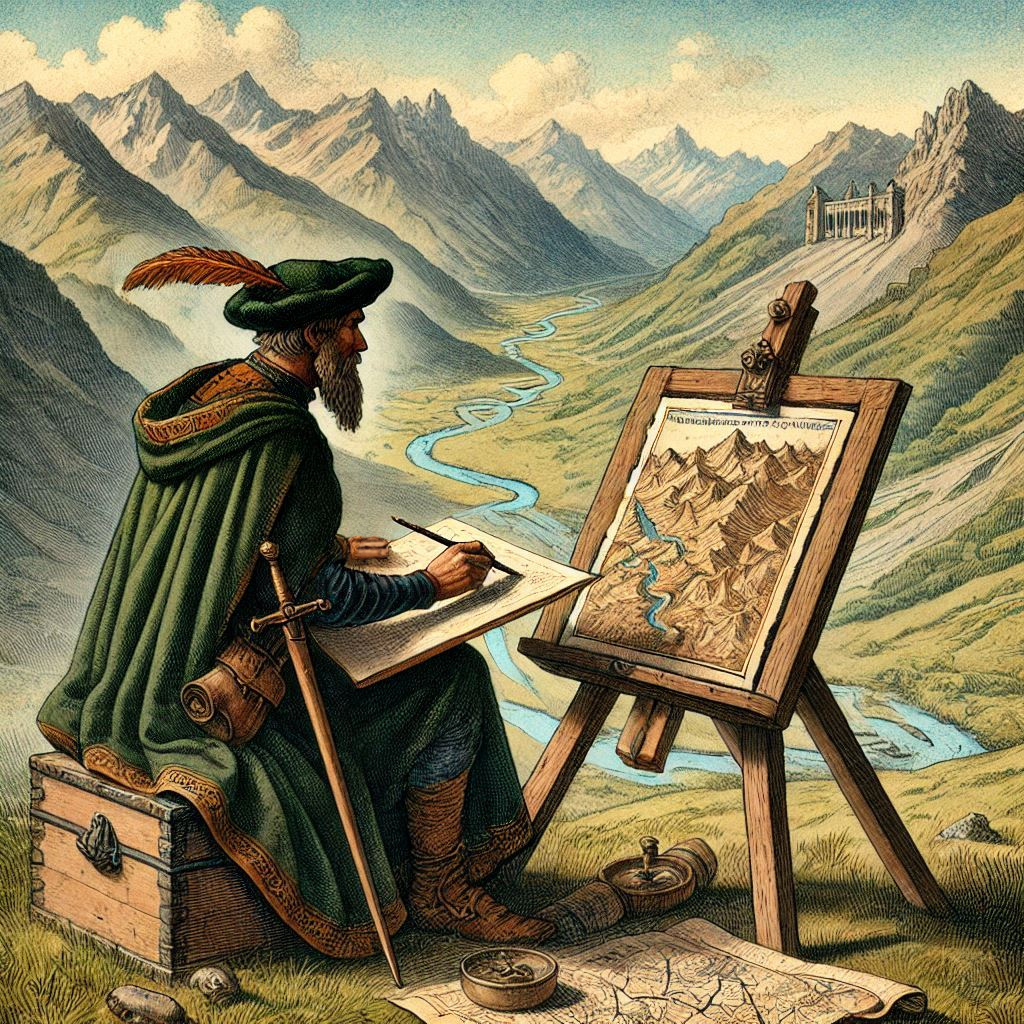
Cartography, the art and science of mapmaking, is an essential tool in the Realm and beyond. Maps are more than mere representations of the land; they are conduits of knowledge, power, and magic. They chart the paths to ancient locations, still hidden astral gates, and the sacred sites of forgotten gods. A well-crafted map can reveal secrets, guide adventurers, and unite kingdoms.
In the Realm, maps are often imbued with magical properties. A skilled cartographer can weave enchantments into their creations, granting them the ability to glow in the dark, point towards hidden treasures, or even protect their bearer from harm. These magical maps are highly prized and sought after by both explorers and scholars.
Beyond their practical applications, maps also serve as artistic expressions. Cartographers often decorate their maps with intricate designs, mythological creatures, and symbolic imagery. These artistic flourishes not only enhance the beauty of the map but also provide clues about the history, culture, and beliefs of the people who created it.
Skjald Sigurd
Dark Ages
In those days, only Astral Site/Gate, Void Garden, and mana links counted.
Skjald Valgrif
First Age
The creation of our world birthed a demand for maps like never before. All the areas in which settlements were scattered were unknown to all, yet they had to be traversed for trade to thrive once more. Thus a myriad of crude and hastily made maps began to circulate, not all showing valid paths.
Skjald Sigurd
Second Age
The 1st Cataclysm ruined quite a lot, but also created several new ones worth noting.
Skjald Vinotis
Third Age
The arrival of the Wanderers birthed quite a bunch of new areas of interest.
Skjald Yell'a'Beard
Fourth Age
The worldly rumble… watery flush… so many a crush.
Skjald Kazumix
Cartography
The process of creating a map is a complex and often perilous undertaking. Cartographers must venture into uncharted territories, facing dangers such as treacherous terrain, hostile creatures, and deadly weather conditions. They rely on a variety of tools and techniques to gather information about the land, including compasses, astrolabes, and magical instruments.
One of the most important tools in a cartographer’s arsenal is the astral compass, a magical device that can determine direction even in the absence of sun and moon. This invaluable tool allows cartographers to navigate through dense forests, underground caverns, and other places where traditional compasses are useless.
Once a cartographer has gathered the necessary information, they must then translate it into a visual representation. This involves careful measurement, precise drawing, and a keen eye for detail. The final map must be accurate, informative, and aesthetically pleasing.
Skjald Sejrik
Organisation
Cartography is a diverse field, attracting individuals from all walks of life. While some cartographers are trained at prestigious academies, others are self-taught, having learnt the art through years of experience and exploration.
Many cartographers are members of guilds or organisations that support and regulate their profession. These guilds often have strict standards for mapmaking, ensuring that all maps are accurate, reliable, and ethically produced. Some guilds even specialise in specific types of maps, such as nautical charts, settlement maps, or underground maps.
In addition to professional cartographers, there are also many amateur mapmakers who create maps for personal use or as gifts. These maps may not be as accurate or detailed as professional maps, but they often capture the unique beauty and charm of a particular region.
Skjald Ulrich
Special
With what the others said… don’t mistake what a cartographer is… and can… so don’t ever attack.
Skjald Kazumix
Last Updated on 2025-01-10 by IoM-Christian