
Arcane

- CYAN
- GREEN
- YELLOW
- ORANGE
- RED
- PINK
- VIOLET
- BLUE
HEROES
- Green Aura
- GIRY TUSMEZ
- Yellow Aura
- Orange Aura
- ATTHIL ILA
- BALDUR
- CRONOS
- JOCKY CHAN
- PAWA ZACULA
- SEJRIK
- THOM DUIHOL
- Red Aura
- AETARNIA
- ARAGON
- BULL-VARG
- CRIMSONHAND
- KROKUS
- MYTH
- SWINE-BRO
- THE PILGRIM
- WAR'LUST
- WILSON
- ZAN FELSTAD
- Pink Aura
- BONEMAN
- LATINOOR
- MEANBONE
- POLSKI
- RINDA YNGGA
- TOORPE THOT
- YELL'A'BEARD
- Violet Aura
- JADOB LE WILS
- JIAKOB BURNE
- Blue Aura
Legend
“It is said that Drakk Alfar, Torinn le Langlaag, was the first to notice that leaking astral energies crystallized more quickly as the air was denser. This inspired him to study the effect of void pressure on the transformation of mana, and it led to the discovery of arcane magic.”
Description
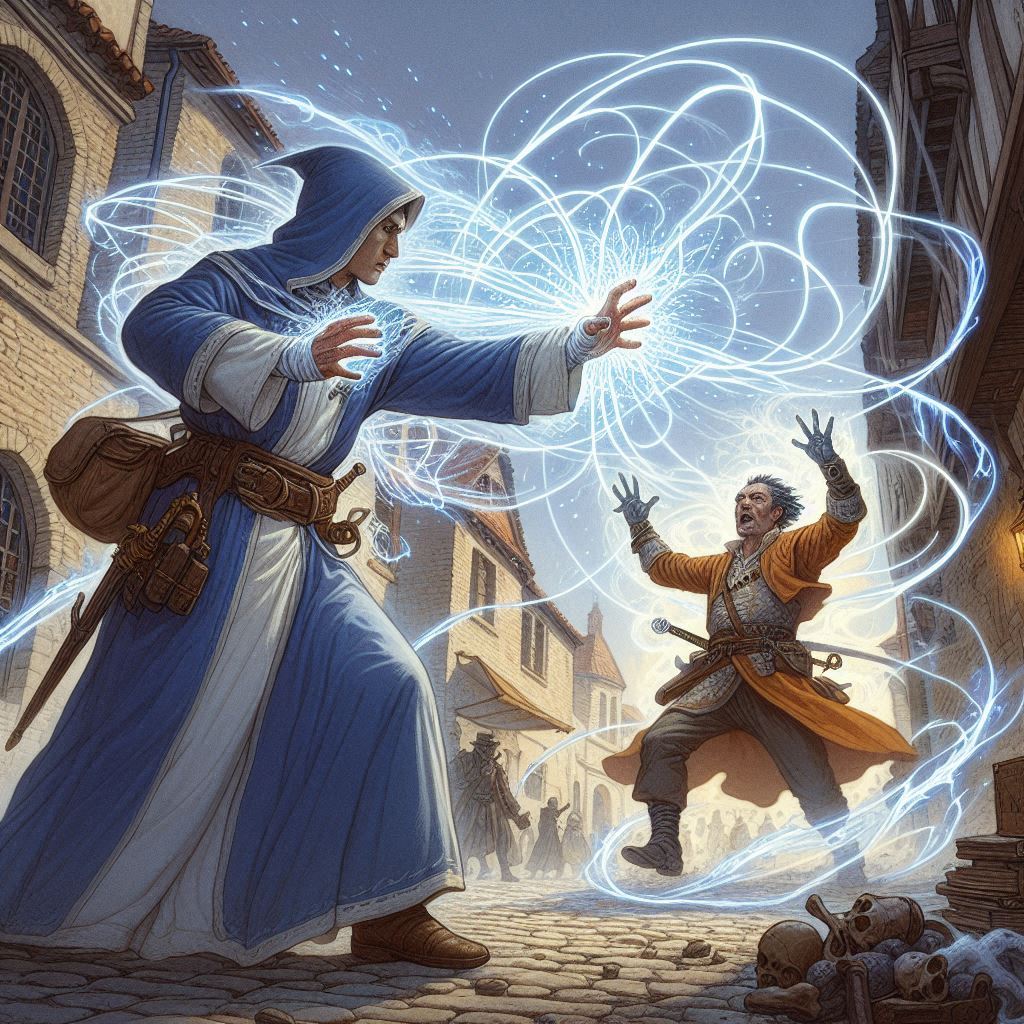
Arcane magic is the oldest known form of magical practice — a raw, unfiltered manipulation of the elemental forces that underpin reality. Before gods lent their power, before minds awakened to ancestral echoes, and before nature whispered its secrets, there was Arcane: the spark in the void, the pulse in the stone, and the breath in the flame. Practitioners of arcane magic, often called arcanists or primalists, do not channel or attune—they command. They shape fire, ice, lightning, and force through sheer will and learnt structure, bending the world’s latent energies to their design. It is a realm of formulas, sigils, and patterns — a language of power spoken in heat and motion.
Arcane magic is not empathic like Essence, nor granted like Channelling, nor introspective like Mentalism. It is learnt through study, repetition, and experimentation — often at great cost. The forces it manipulates are indifferent, even hostile, to mortal flesh, and only precise control prevents catastrophe. Yet it is also the most versatile and scalable of the magic realms, forming the backbone of spellcraft, enchantment, and magical engineering. Many modern Magic Academies trace their roots to arcane principles, even if they now cloak them in divine or natural trappings. To master Arcane is to understand the core of magic — the structure upon which all other realms are built.
Philosophically, arcane magic is seen as the triumph of intellect over chaos. It does not ask for permission, nor does it seek harmony — it imposes order on the wild. Some view it as arrogant, a relic of an age when mortals sought to rival the gods. Others see it as pure, untainted by ideology or emotion. In truth, arcane magic is neither good nor evil — it is a tool, a force, a foundation. And though newer realms may offer elegance or depth, the Arcane remains the crucible in which all magic was first forged.
Skjald Sigurd
History
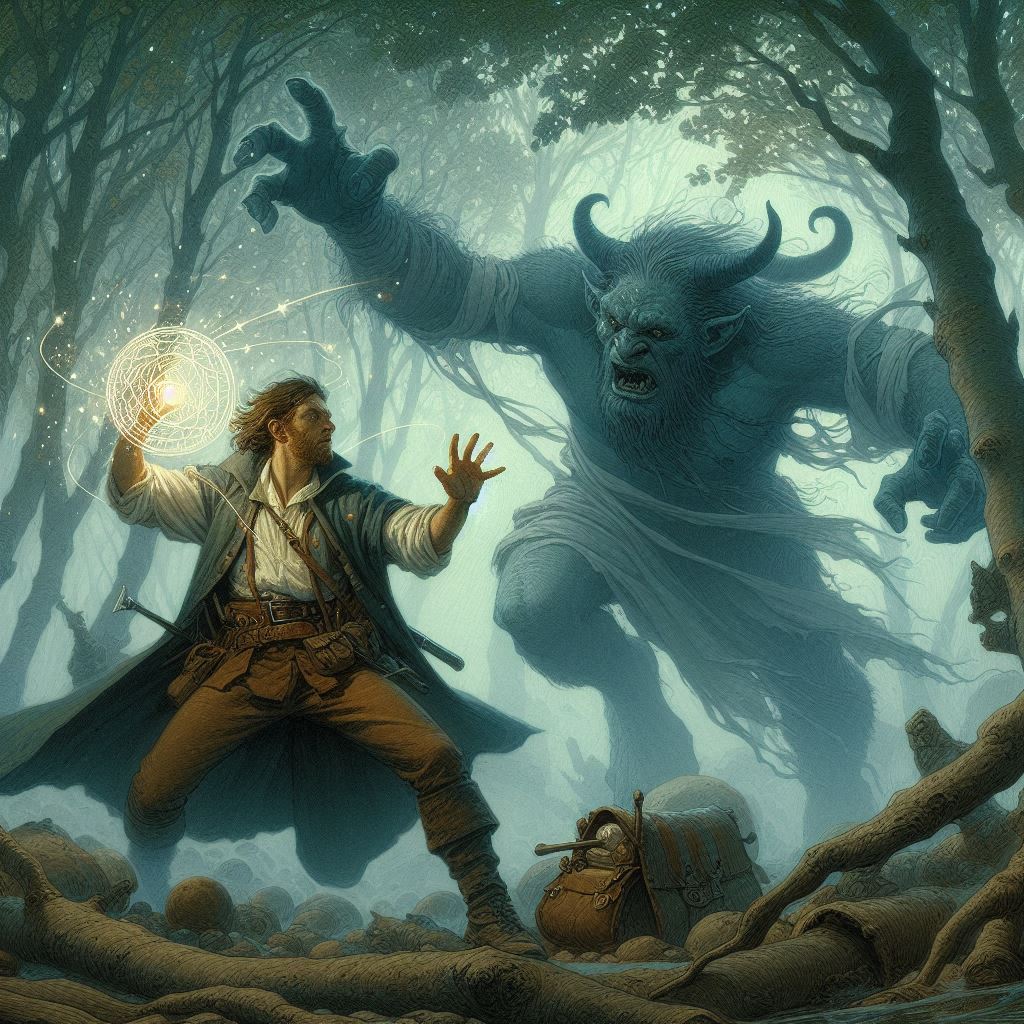
Everything is made up of astral mana that has been either spilling or deliberately pushed into the void, and to some extent, into our world after it was formed. For millennia, divine beings have told us this. However, they neglected to mention that the void had an impact on transformations as well. In fact, they seem to have tried to destroy any notes and even hunted those who practiced.
The basic concept of arcane magic is simple: harness the forces of the void to exert pressure on the target, and when sufficiently wrapped, alter or disintegrate it. It seems simple, yet it is one of the most difficult and deadly of all magic methods, as one never knows if one’s control of pressure is sufficient. It is also the progenitor of both essence and mentalism magic, as well as being uninfluenced by the gods.
Skjald Sejrik
Dark Ages
When the Drakk Alfar elders recall Torinn le Langlaag, many give a slight ‘stallion nod’ in recognition of his significant discovery, which led to his elevation within the ranks of the divine Stoicheian, Wickeryadi, and the Jotunn, as they leveraged his knowledge to shield off void garden combat herbs from the Boriac.
Refining the knowledge they taught him and his group back, and the number of arcane magicians increased gradually. Eventually, the Boriac discovered it and decided with the Vular that this should be ‘uprooted,’ and the hunt started. However, because some of the divine had already empowered the acrane manipulators, Boriacs found it difficult, perilous, and even deadly, to combat an arcane overlord.
Because the Void weaving did not affect astral energies, they gained a new opponent when the gods became self-aware, active, and mobile beings. Torinn le Langlaag managed to survive several attacks, slaying both Boriac and gods in the encounters. But eventually he succumbed to the divine assassination attempts.
World ReformingThis divine hunt would most likely have been the end of arcane manipulators if the gods had not posed a greater threat to the other divines, than a few annoying arcane weavers. But, when the void was transformed into our world and the astral buried solidly within, the void exerted greater pressure on our world enforcing void weaving, and the gods—who upon discovering the trick, became more focused on fighting the other divines and internal conflict.
Hymn of TruenamesThe 1st Cataclysm was primarily about eliminating vampires, just like they did earlier with arcane manipulators. But the Vornir made a huge error when they performed the Hymn of Truenames, since it gave the arcane manipulators an unbelievable gift—all of the truenames, making it less difficult to grab, twist, and disintegrate.
Fortunately, mortal races were generally unable to deal with it all, and most of the other divines were so preoccupied that many missed most of it. However, a handful here and there were able to scrawl down notes or use memory path spells to save this priceless treasure. Some even disengaged from the battle, astravelled far away and in safety, recording what they overheard. Thus came the truename tomes to be, and every copy has been the target of many an arcane manipulator.
Skjald Sejrik
Organisation
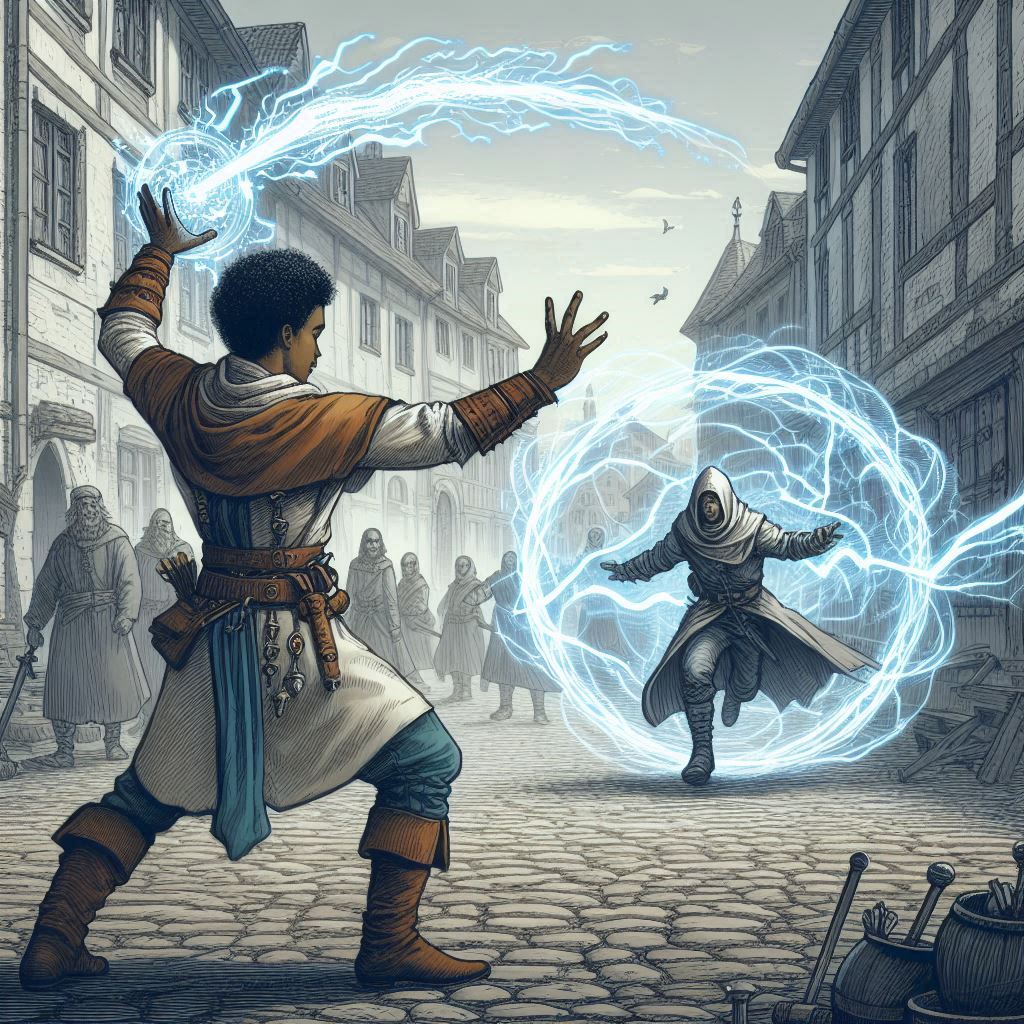
The Aetherion Conclave is the foremost institution dedicated to the study, regulation, and advancement of Arcane magic — the manipulation of raw void and elemental forces. Founded during the turning of the First age into the Second Age, when uncontrolled spellcraft during the Vampire Wars threatened to unravel the fabric of reality, the Conclave was created to impose order on the trailing chaos. Its members build on that Arcane magic is the foundation of all magical realms, and that understanding its structure is key to mastering the others.
The Conclave teaches that the void is not merely empty, but a living pattern — a lattice of chaoric potential that responds to logic, emotion, and form. To manipulate it is to rewrite the rules of existence, and thus, every arcanist must be both scholar and sentinel. Their motto: “Structure tempers power. Power reveals truth.”
The Conclave’s scholars believe the Void is the primal canvas from which all mana flows — not absence, but unresolved possibility. It is chaotic, yes, but not mindless. It responds to intention, emotion, and structure, and thus, Arcane manipulation is an act of negotiation with the unknown.
Some sects within the Conclave argue that the Void is sentient — not in a humanoid sense, but as a pattern-aware entity that resists or rewards certain manipulations. These debates are ongoing and often heated, especially among the Grand Lords, who have glimpsed deeper truths.
The Conclave is divided into eight ascending ranks, each representing a deeper mastery of Arcane principles. The actual ranks, of those above Rag Tags, are based upon their skill level:
| Rank | Title | Skill Range | Role & Traits |
|---|---|---|---|
| 0 | Rag Tag | 1–49 | Untrained, often dangerous. May possess raw talent but lack control. |
| I | Apprentice | 50–174 | Basic training. Learns containment, sigil logic, and Void safety. |
| II | Novice | 175–299 | Can cast minor spells. Begins to understand elemental layering. |
| III | Journeyman | 300–424 | Trusted with fieldwork. Can stabilize unstable mana zones. |
| IV | Chief | 425–549 | Leads small teams. Begins crafting original spells and conduits. |
| V | Master | 550–674 | Oversees sanctums. Can manipulate Void currents and teach advanced theory. |
| VI | Lord | 675–799 | Influences policy. May access restricted relics and forbidden tomes. |
| VII | Overlord | 800–924 | Shapes magical law. Can rewrite local mana lattices. |
| VIII | Grand Lord | 925–1000 | Near-mythic. Can commune with the Void directly. Some claim they bend reality itself. |
Each rank is earned through trials — not just of skill, but of insight, discipline, and resilience. Advancement requires not only magical prowess but contributions to the Conclave’s collective knowledge.
Skjald Valgrif
The Aetherion Conclave maintains Arcane Sanctums across the world — fortified towers, subterranean vaults, and citadels often built atop ancient ruins or natural mana wells, where mana is studied, stored, and shaped. Each Sanctum is semi-autonomous, led by a Master or Lord, and specializes in a particular branch of Arcane study: Their primary duties include:
- Spellcraft & Research: Developing new arcane techniques, refining elemental control, and cataloging magical anomalies.
- Regulation: Monitoring rogue arcanists, preventing mana corruption, and enforcing arcane law.
- Education: Training new generations of manipulators through rigorous study and controlled experimentation.
- Relic Recovery: Seeking lost artifacts, forbidden tomes, and unstable mana sources to prevent misuse.
- Interrealm Diplomacy: Negotiating with divine, natural, and mentalist factions to maintain magical balance.
Though not a political body, the Conclave’s influence is vast. Many rulers consult them before waging war, opening ley-lines, or sanctioning magical construction. Their neutrality is respected — and feared. The Conclave also sends Envoys to courts, guilds, and warfronts — not as soldiers, but as magical auditors and advisors. Their neutrality is respected, but their presence often signals that something dangerous is unfolding.
Just to mention a few of the Arcane studies:
- The Obsidian Spire: Focuses on Void theory and chaotic resonance.
- The Ember Vault: Studies elemental fusion and destructive spellcraft.
- The Mirror Library: Houses forbidden texts and memory-bound tomes.
- The Pale Bastion: A defensive stronghold guarding against rogue arcanists and magical incursions.
Skjald Sigurd
Colour: Green
Gender: Female
Stat: Empathy

Colour: Yellow
Gender: Male
Stat: Intuition
Gods: Gulmur, Ehmdali, and Ravali
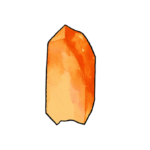
Colour: Orange
Gender: Female
Stat: Wisdom
Gods: Natiha, Vorril, and Forsato
 Colour: Red
Gender: Male
Stat: Constitution
 Colour: Pink
Gender: Female
Stat: Quickness
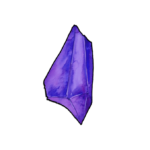 Colour: Violet
Gender: Male
Stat: Strength
 Colour: Blue
Gender: Female
Stat: Dexterity
Colour: Chaos (Rainbow) – Crystalized
Gender: Both
Stat: All
Gods: All
Colour: Chaos (Rainbow) – Living
Gender: Both
Stat: All
Gods: All
Skjald Ulrich
Special
Arcane manipulators are the most competent magic paths unseen.
Skjald Vinotis
Last Updated on 2026-03-27 by IoM-Christian